d'Eglantier
  • A very rare
  • A very rare
  • A very rare
  • A very rare
  • A very rare
  • A very rare
  • A very rare
  • A very rare
  • A very rare
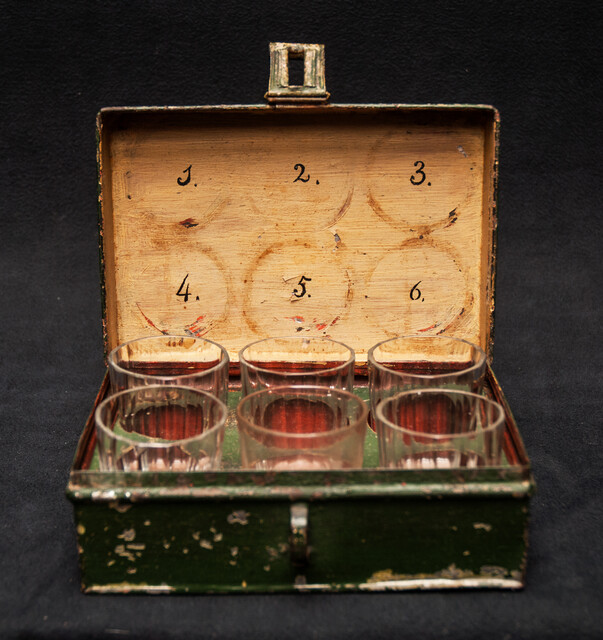
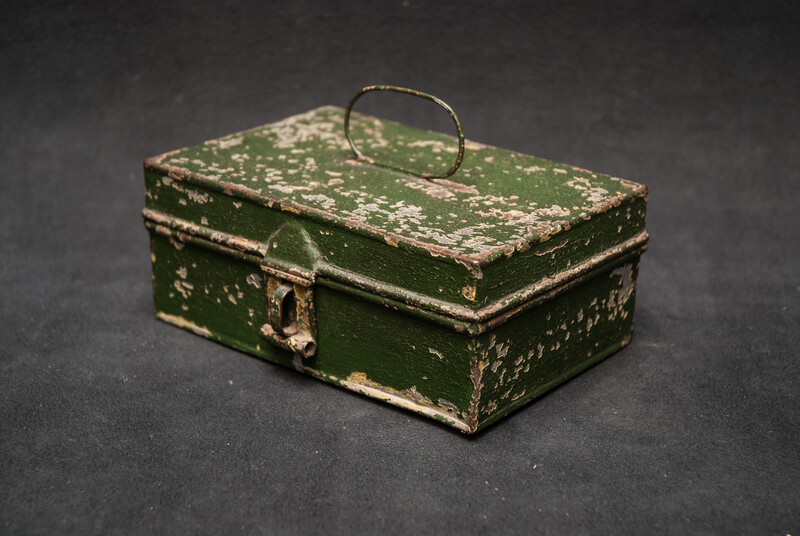
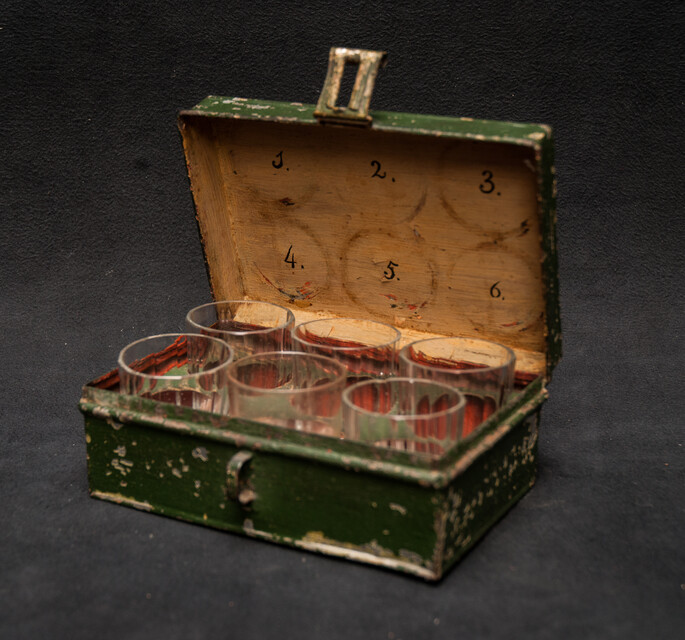
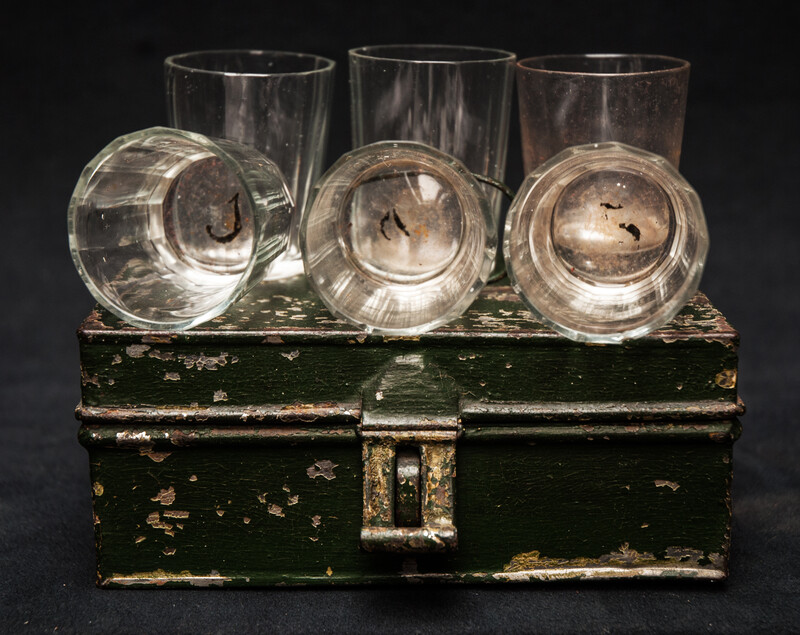
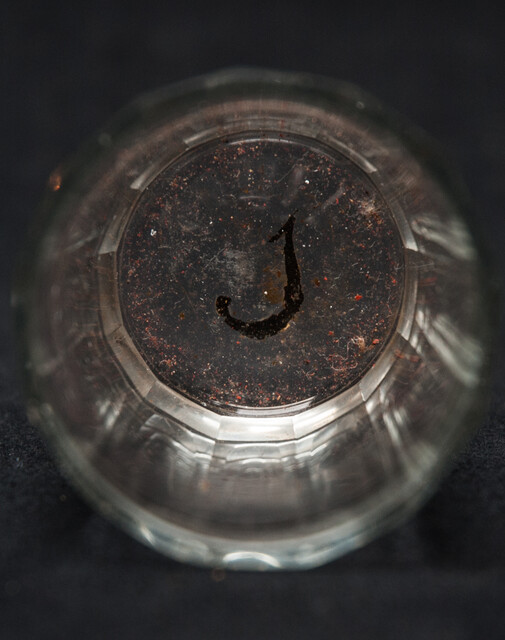
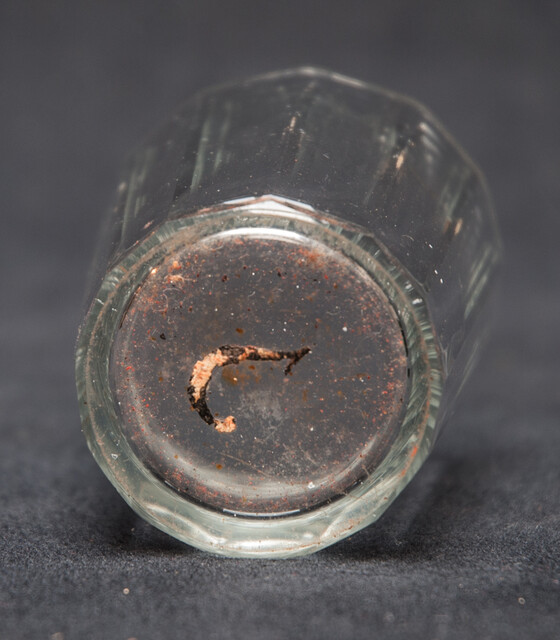
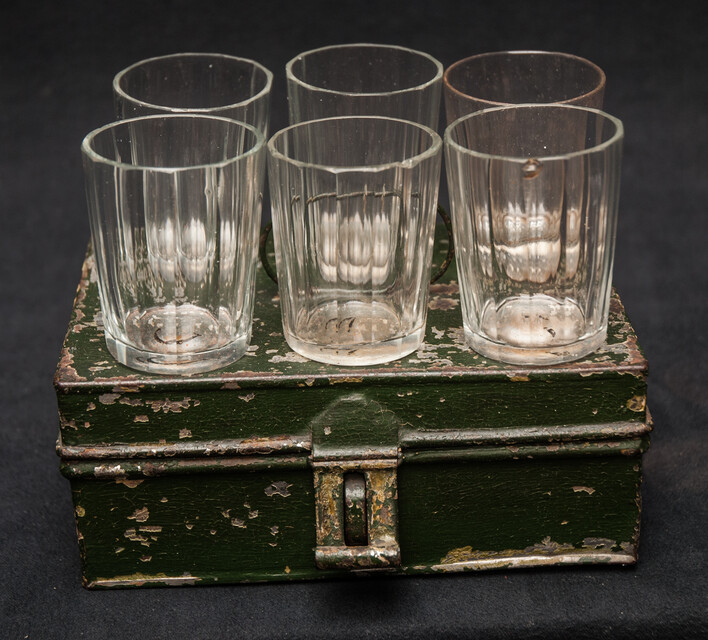
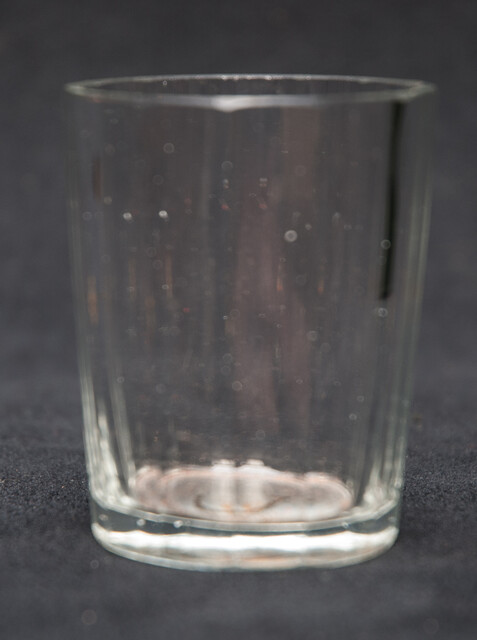
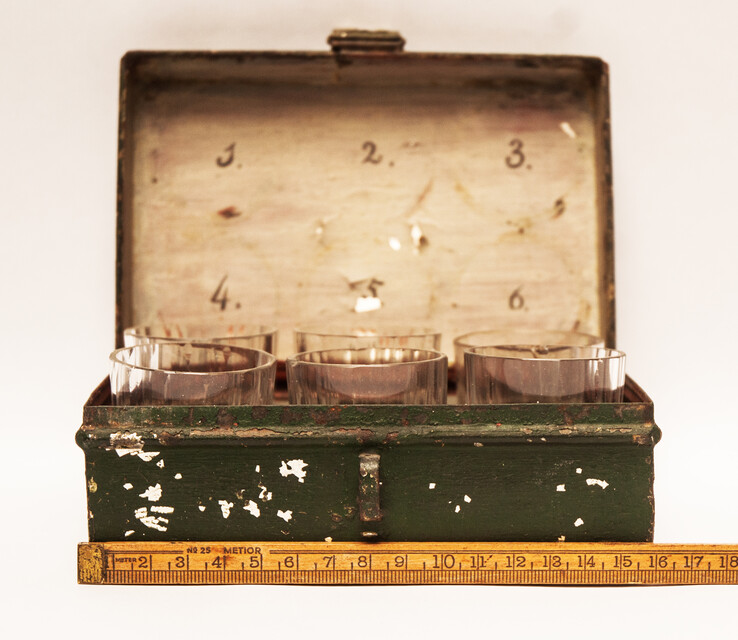
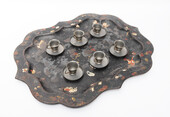
A very rare "Spelerijers" box from Walcheren in Zeeland with six original numbered glasses.

175 €


A travelling drinking box. Long 16 cm. Wide 11 cm. High 6,5 cm. The metal and green painted box contains six original numbered glasses. The box and the glasses in good condition with signs of use. On sunny sunday afternoons people from Walcheren in Zeeland used to travel the island with a horse driven wagon. On the way they became thirsty, hence the box. Not only were few of them made, survival of one is exceptional. Each member of the participants had his own individual numbered glass.   

Request for more information
See more items of this dealer
Print
d'Eglantier
Address:
Egelantiersgracht 93 ,
1015 RE Amsterdam
Country: The-Netherlands
Tel.: +31 (0)20 6262061
E-mail: info@deglantier.com
Website: www.deglantier.com
An early seventeenth century

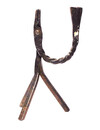
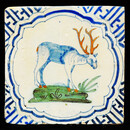
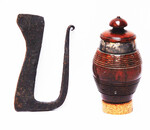
An early seventeenth century "life saving" skating hook stick and a tile showing its use.


A skating stick and a Delft blue tile. Length of the stick 170 cm. Size of the tile 13 x 13 cm. Thickness 12 mm. This type of stick was meant as a "life saver". In scarcely populated areas one could not rely on a helping hand. Hence the sturdy steel hook for the "do it your selver". The tile from the same period shows a skater with an identical stick. Both date back to the first quarter of the seventeenth century.

A nineteenth century Dutch wooden decoy duck with lead weights.

A nineteenth century Dutch wooden decoy duck with lead weights.


A decoy duck. Long 37 cm. Wide 19 cm. High 23 cm. Painted wood. With two stabilising lead weights. Entirely original condition. With signs of use, otherwise in good condition.
 

An eighteenth century Dutch wine bottle  from a shipwreck in a tropical sea.

An eighteenth century Dutch wine bottle from a shipwreck in a tropical sea.


A bottle. High 21 cm. Maximal diameter 15 cm. Weight 735 gram. Found in a wreck of a Dutch ship travelling to a Dutch colony in the East Indies. With stunning gold patina caused by the influence of the tropical sea. In mint condition.
 

A very rare

A very rare "Spelerijers" box from Walcheren in Zeeland with six original numbered glasses.


A travelling drinking box. Long 16 cm. Wide 11 cm. High 6,5 cm. The metal and green painted box contains six original numbered glasses. The box and the glasses in good condition with signs of use. On sunny sunday afternoons people from Walcheren in Zeeland used to travel the island with a horse driven wagon. On the way they became thirsty, hence the box. Not only were few of them made, survival of one is exceptional. Each member of the participants had his own individual numbered glass. 
 

Three cooped and painted oakwood containers from Friesland.

Three cooped and painted oakwood containers from Friesland.


Three containers. High 10, 12,5 and 11 cm. All made of oakwood. All cooped and reinforced with willow twigs. All painted in different colours. The largest round and 20 cm size of opening. The second one of similar construction and containing 8 lapwings eggs. The smallest with the text "ZEEP" (SOAP) and painted red on the inside. All in good condition. Friesland around 1800. 
 

An eighteenth century Dutch glass tot with inscription for medical use.

An eighteenth century Dutch glass tot with inscription for medical use.


A glass tot. High 13 cm. Diameter opening 7,5 cm. Diameter foot 7 cm. Weight 250 gram. With inscription    " 1 SGR ". A typical eighteenth century Dutch "oorlam" with an airbubble in the stem. The inscription apparently was applied for medical use. The glass is in mint condition and very rare. Holland, late eighteenth century.


Five bronze Roman needles dating back to the second century AC found on Cyprus.

Five bronze Roman needles dating back to the second century AC found on Cyprus.


Five bronze needles. Sizes from 11 to 18 cm. Roman around the second century AC. Stunning stark green patina. All needles with a clear hole for the thread. The needle with the ball on top was possibly used to work on leather. These needles were all found on the island of Cyprus. The are all in mint condition. 
 

A sixteenth century European knife with a brass handle and enamel decorations.

A sixteenth century European knife with a brass handle and enamel decorations.


A knife. Overall length 20 cm. Length of handle 7,5 cm. Original blade with a blacksmiths touch mark. Decorated in several places with white enamel. The handle in the form of a magical bird. The knife was found near Frankfort in Germany where in 1596 a decisive battle took place in the "Forty Years War". It is in mint condition. No damages, repairs or restorations.
 

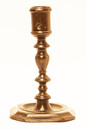
An early seventeenth century pewter candlestick.

An early seventeenth century pewter candlestick.


A candlestick. High 18 cm. Pewter with an elegant baluster shape. Loose separate pewter bobèche. In mint condition. Holland around 1650.
 

An 18th century Delft blue tile of a shepherd playing a shawm.

An 18th century Delft blue tile of a shepherd playing a shawm.


A Delft blue tile. Size 13 x 13 cm. Thickness 8 mm. Showing a shepherd playing a shawm. Mint condition. Delft around 1800,
 

An eighteenth century painted wooden Frisian butter container.

An eighteenth century painted wooden Frisian butter container.


A butter container. Long 25 cm. Wide 19 cm. High 22 cm. Cooped and connected with nine willow branches. Painted in imitation graining on the outside and white on the inside. In mint condition with signs of use. Friesland around 1800.
 

An eighteenth century Dutch Cuban Mahogany calculating board.

An eighteenth century Dutch Cuban Mahogany calculating board.


A calculating board. Size 24,5 cm x 15,5 cm. With 10 white bone pegs. In the middle numbered from 20 below tot 500 up above. On both sides numbered from 1 to 10. The rosewood in mint condition. Some loss of paint especially on the right side. This board may have been used for playing games. Holland, eighteenth century.